How Secure You Are?

Breach & Attack Simulator (BAS), Security Control Validation (SCV) & Unified Threat Exposure Management (UTEM)
All-in-One Platform to Answer How Secure You Are?
To Know How Good is Your Detection & Protection Capabilities? 

SaaS Platform
On-Prem Client

Simulate & Test all MITRE ATT&CK Techniques

Validate Your Security Controls

Comprehensive reporting & Mitigation recommendations

How Validation Works

Select

Choose from hundreds of pre-built threat-based attack simulation scenarios & launch them with just 3 clicks. 

Validate

Test each MITRE ATT&CK Technique associated with threat scenario. 

Analyze

Get results in minutes and understand how resilient controls are against threat. 

A New Way To Look At Cyber Defense

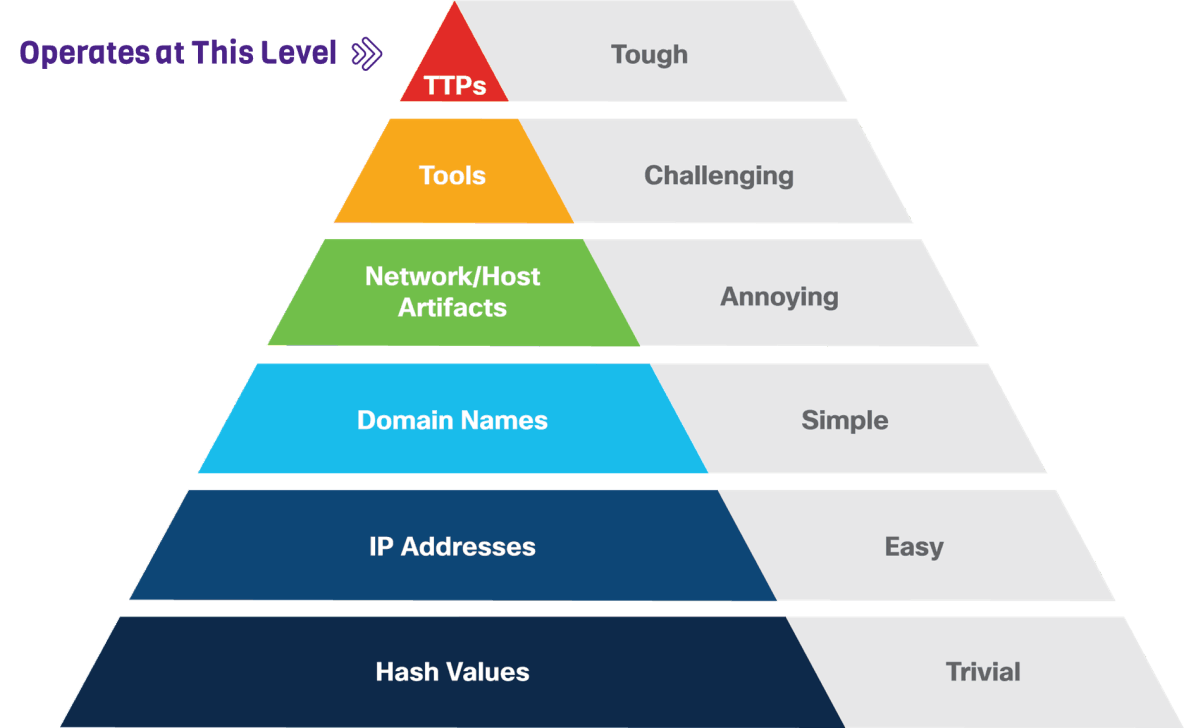
 Defending against all threats is unrealistic
 
Identify most likely known threats that your organization faces
Understand adversarial behaviors associated with threat(s)
 
Test your defenses and resilience against known threats - frequently
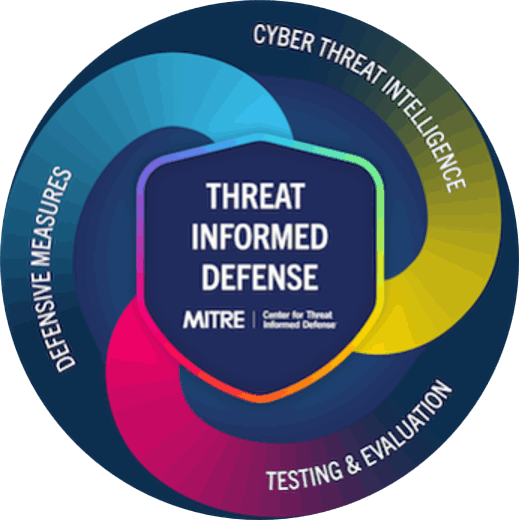
MITTE ATT&CK Threat Informed
AppGaurd Zero-Trust Endpoint Protection

A New Way To Look At Cyber Defense

We are Threat Simulator: Threat Simulation is an intelligence driven discipline that entails researching, modeling, and executing cyber adversary tactics techniques and procedures to assess and improve cybersecurity.

Validate MITRE ATT&CK Techniques Linked To Threat Scenarios

Our Methodology for Validating Security Controls

CISA's Recommended Method for Validating Security Controls
CISA, in advisories such as AA22-257A, recommends the following general steps for validation: 

1

Select an ATT&CK technique

Choose a specific adversary tactic, technique, or procedure (TTP) that is relevant to current threats or your organization's risk profile.
2

Align your security technologies

Identify which existing security controls (e.g., firewalls, EDR, SIEM, WAF) are intended to prevent or detect the selected technique.
3

Test your technologies

Safely simulate the chosen adversary behavior in your environment to assess how the controls perform.
4

Analyze performance

Evaluate whether the attack was successfully prevented or detected. Identify any "logging gaps" (missing data sources) or "detection gaps" (data collected but not generating alerts).
5

Tune your security program

Based on the data generated, mitigate identified gaps by adjusting security technologies, refining processes, or providing additional training to personnel.
6

Repeat the process

Continuously repeat this validation cycle for other relevant techniques to ensure comprehensive coverage against evolving threats. 

Technology Partners

Copyright © 2026 All Rights Reserved by NxtHop